Cocker Spaniel (English)
Lifestyle Needs
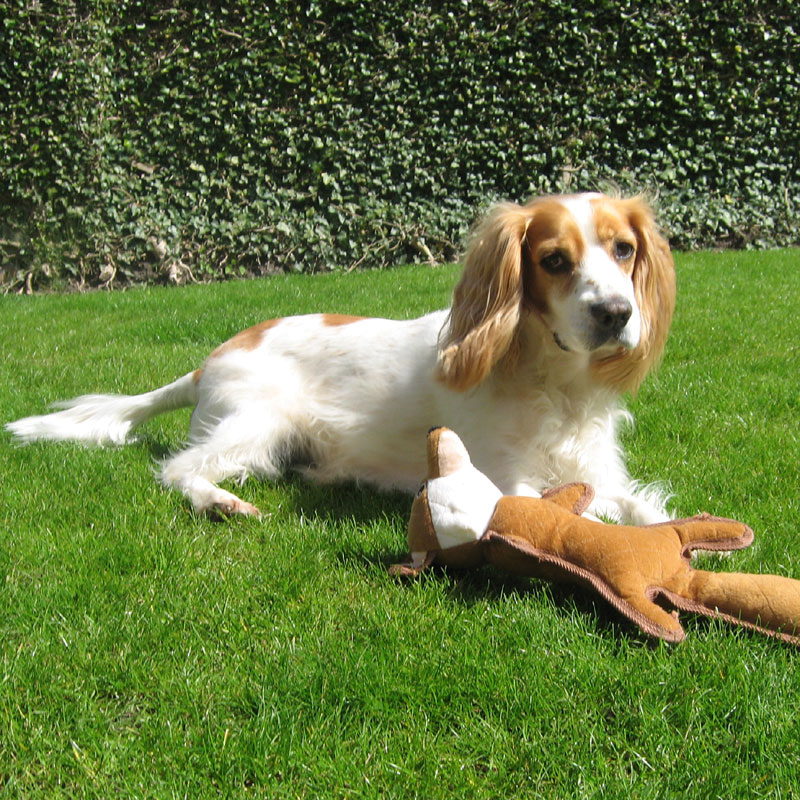
The English Cocker Spaniel is a favourite of the Spaniel type. Originally bred to flush game birds, the breed may be divided into two types: those who work and those bred for showing. The ‘show type’ has a rather domed skull and is generally more stocky. A Cocker is generally an energetic breed and should have at least an hour of exercise every day, including plenty of opportunity to run free. His fine coat and long ears need regular grooming.
Genetic Diversity
(Known as Coefficient of Inbreeding: 'COI'. It should be as low as possible.)
The UK Kennel Club breed average COI is 9.6% - See 'A Beginners Guide to COI'
Gene Pool Size
(Known as Effective Population Size: 'EPS')
49.10
EPS is a measure of how many individuals are contributing genetically to a breed population. It is a measure of the size of the gene pool in a breed. Lower than 100 is considered critical by conservationists and below 50 brings a breed close to extinction. For more information see the Kennel Club article.
Health and Welfare Problems due to Conformation
(Body shape and physical characteristics)
- The Cocker’s longish hair can easily become tangled and matted, so should be groomed daily.
- His long ears and hairy feet invite seeds, insects and other debris and should be checked every day.
- Lip-fold dermatitis
- Prone to obesity
BVA/KC Health Schemes: www.bva.co.uk/chs
- Hip Dysplasia: breed 5 year mean score 11 (parents should be lower)
- Eye Scheme: Progressive retinal atrophy (PRA) (annual testing); Goniodysgenesis/primary glaucoma (G) (annual testing) – a gonioscopy test should be carried out at over 6 months old or before breeding and repeated every three years.
Estimated Breeding Values (EBVs) : No EBVs are currently available for this breed
www.thekennelclub.org.uk/about-ebvs
DNA Tests Available
DogWellNet and IPFD Harmonisation of Genetic Testing for Dogs (HGTD)
www.dogwellnet.com/breeds
- Progressive retinal atrophy (prcd-PRA)
- Familial Nephropathy (FN)
- Acral Mutilation Syndrome (AMS)
- Adult Onset Neuropathy AON
Availability of a DNA test does not mean that it is always necessary or even desirable for breeders to use this test.
Other Breed-Specific Health Screening Schemes
None known
Ask the breeder to show you the certificates for the above tests/screening for both parents. If any of the above tests have not been considered necessary by the breeder (and there may be good reasons), ask her to explain why.
Other Diseases Reported
(For which there are currently no genetic or screening tests for sire or dam)
- Chronic pancreatitis
- Auto immune disease
- Dermatitis
- Cancer in old age
- Histiocytoma (benign tumour)
- Cranial cruciate ligament disease (CCL)
Ask the breeder about the medical history of the parents, grandparents and great grandparents. Consider carefully whether to purchase a puppy if some of these or other diseases are in the family line.
Ask about the breeder’s policy in cases of serious genetic diseases occurring to your puppy in later life. Good breeders will request to be informed of such events in order to improve future breeding decisions.
You are strongly advised to buy from a breeder who uses (or is prepared to use) the AWF Puppy Contract and Puppy Information Pack (PIP): www.puppycontract.org.uk
The breeder should also be familiar with the CFSG/DBRG Code of Practice for Dog Breeding